Reliable Chemistry , Trusted Supply

About us

Quality Assurance

Stringent quality control systems throughout production, from raw material inspection to final product testing, ensuring batch-to-batch consistency and reliability.

Certified Compliance

Full industry certifications including ISO, REACH, and GMP standards, with complete traceability and documentation for regulatory peace of mind.

Global Delivery Network

Efficient international logistics covering major ports worldwide, with reliable warehousing and just-in-time shipping to keep your production on schedule.

Environmental Stewardship

Green chemistry initiatives, waste reduction processes, and energy-efficient operations that minimize environmental impact while maintaining output quality.

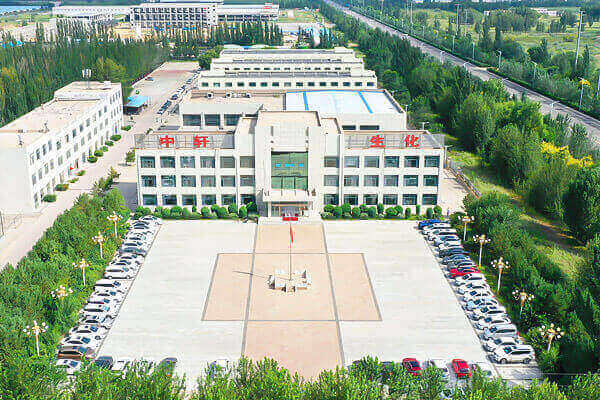
Deosen Biochemical (Ordos) Ltd.

About us

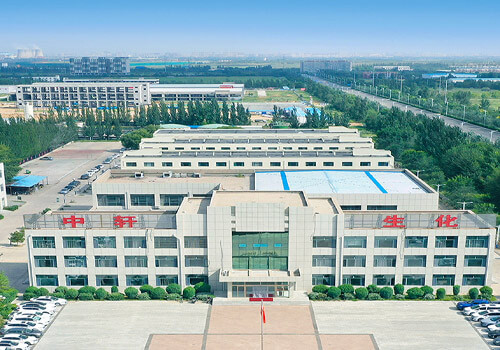
Deosen Biochemical (Ordos) Ltd. is a leading Chinese high-tech enterprise specializing in the R&D, production and global distribution of water-soluble hydrocolloids. With over 30 years of industry expertise, we serve...
Read more
12h
After-Sales Response
99%
Delivery Rate
100%
Factory-Exit QC
99%
On-Time Delivery
Deosen Biochemical (Ordos) Ltd.

Need a Custom Solution?

Our products are just the starting point. If you have specific technical requirements or are looking for a custom formulation, our engineering team is ready to work with you. Tell us

Inquire

Our Products

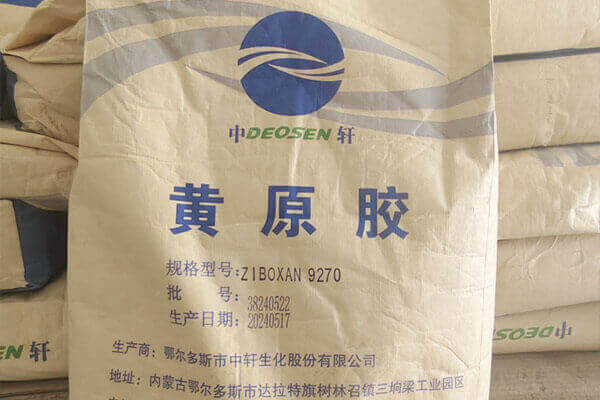
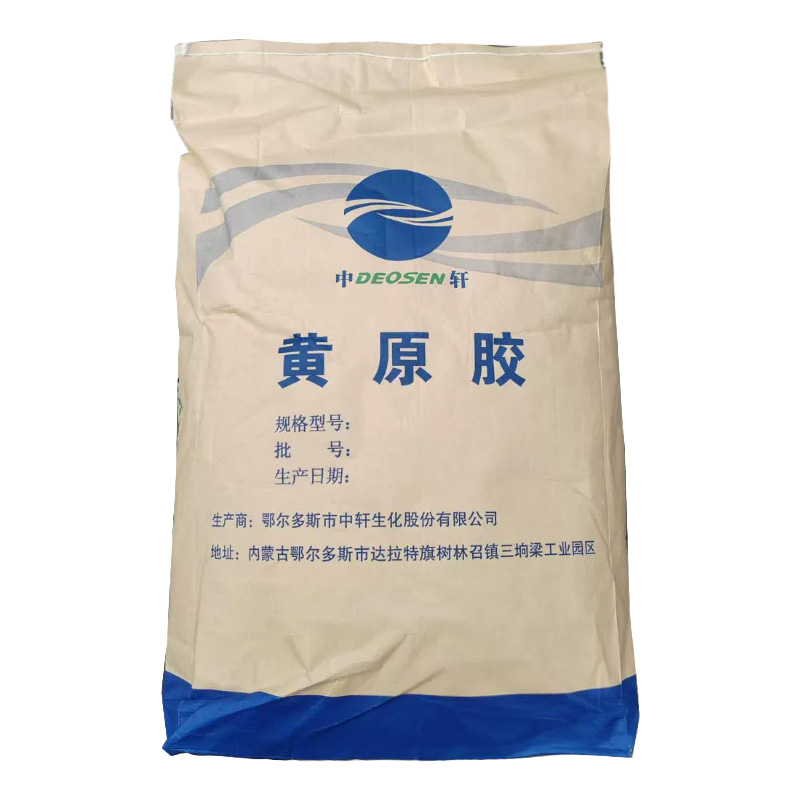
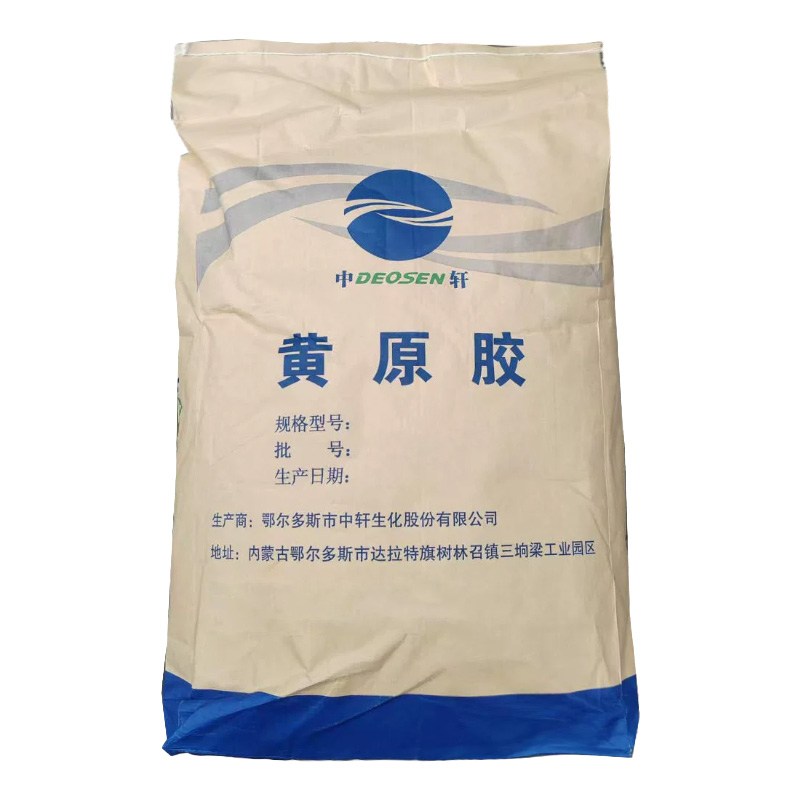
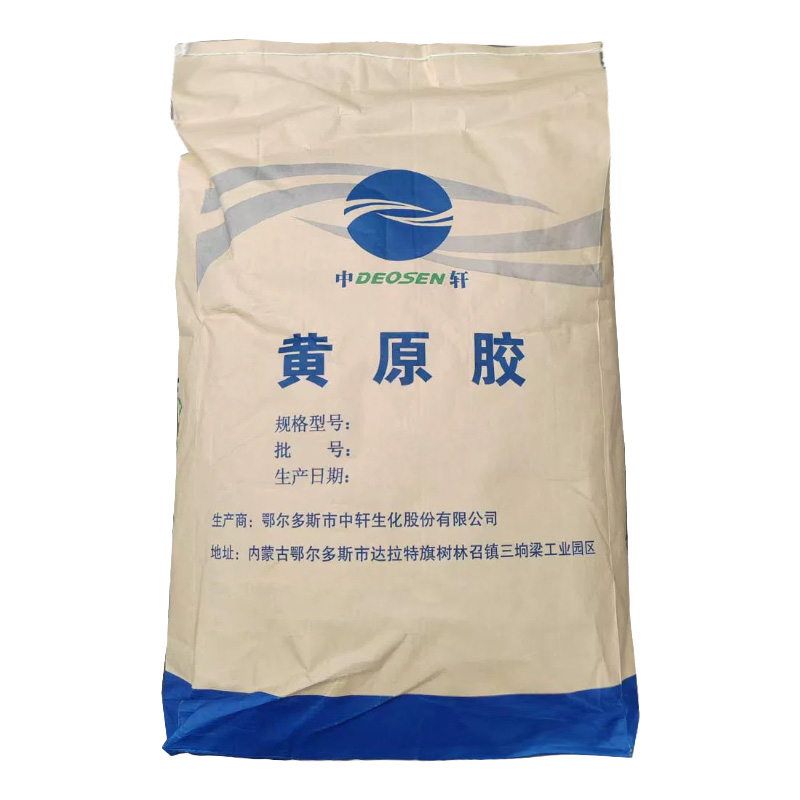
The range of products we manufacture and provide to our customers includes Food Grade Xanthan Gum, Cosmetic Grade Xanthan Gum, Pharmaceutical Grade Xanthan Gum, Multi-functional Xanthan Gum, along with all kinds of necessary resources and supplies for engineering, manufacturing and other industrial spheres.

Sustainability

As a forward-thinking chemical manufacturer, we recognize that true industrial leadership comes with environmental responsibility. Our sustainability framework integrates green chemistry principles, carbon footprint reduction strategies, and responsible sourcing practices into every stage of production — from raw material procurement to final product delivery.

We are continuously innovating to develop eco-friendlier solutions without compromising performance or safety. By investing in advanced emission control systems, renewable energy adoption, and waste valorization technologies, we are proving that chemical manufacturing can be both profitable and sustainable.

Because protecting our planet is the most important product we will ever create.

Latest Company News

Deosen Biochemical (Ordos) Ltd.
 Running a chemical plant in the real world faces more than just raw material logistics and meeting quotas. At Deosen Biochemical (Ordos) Ltd, daily operation means standing up to strict environmental standards, changing market demands, and the unyielding pressure to keep technology current. Chemical production isn’t about theories; it is hands-on — machines make noise, pipes can clog, and powders behave differently depending on Ordos’s desert humidity. Staff bring in years of process know-how, keeping an eye on details that matter. Small variables like the texture of a batch or the subtle shift in fermentation odor tell us more than any lab report. Every ton of output holds the result of adjustments born from long shifts and real experience. Consistency does not come from automation alone; it comes from experienced workers making key decisions at the right moments.  Inside the factory gate, accountability isn’t just paperwork and audits, but a code of daily behavior. Staff are expected to log operational anomalies, flag up odd results, and double-check each other’s readings. These habits grow from necessity, not from compliance checklists. Inspectors and customers come see the tanks and lines for themselves, so mistakes rarely hide for long. Over years, this has fostered honest reporting. We have seen scrapped batches and unplanned shutdowns cost more than any single person wants to explain — that memory drives a careful approach. Plant managers take pride in keeping everything visible, from fermentation time sheets to discharge water analyses. Not every day ends with a chart-topping yield, but every problem gets tracked, logged and its cause debated in noisy breakrooms. There are no shortcuts: the plant’s reputation depends on each person’s willingness to speak up and take ownership.  Pollution risk follows any chemical operation, especially one as large as ours near the Ordos steppe. Regulatory fines or sanctions never sting as bad as the thought of a mishandled discharge impacting the fragile environment outside our walls. Locals know where every ditch empties; any change in water quality becomes topic of local talk by the next morning. We invest heavily in biological treatment systems to catch the trickiest residues. This pressure does not come from distant headlines, but direct community contact — our staff live five minutes down the road. It isn’t uncommon for a respected technician to pause a production run simply because a process upsets the water clarity. Our compliance teams respond fast because the stability of the local ecosystem underpins the trust we have with suppliers, buyers and neighbors alike. The real world brings real checks — new limits or public reports can force us to redesign processes and retrain crews every year.  Quality control is not a department down the hall, but a set of benches stationed right near the fermenters and driers. Every sample comes with a name, a face, and a long memory of batches past. Sometimes a small shift in viscosity or instability on a rheology test sparks a review across multiple steps, from raw stock to final packaging. This attention allows us to spot problems well before a shipment leaves for customers, avoiding costly recalls. Our teams have learned to trust the details in an operator’s observation book as much as the chromatograms from sophisticated equipment. We build feedback loops across fabrication and lab work to fine-tune enzymes or tweak nutrient flows. It’s not only about hitting technical specs; it is about keeping our standards from slipping, batch after batch. That kind of reliability can only be sustained by people grounded in both classroom knowledge and direct, tangible experience with the process line.  Market demands shift yearly, shaped by new industries, trade issues, and changes in downstream processing trends. Adjusting to these realities requires us to anticipate changes months in advance. Our technical teams constantly listen to feedback from major buyers who visit our plant, sharing issues they face in their own production lines. We respond by experimenting with different strains of xanthan fermentation or optimizing drying cycles to match customer-specific performance needs. For any meaningful difference in output, we often run side-by-side trials, sacrificing short-term productivity in exchange for insights into what makes one process beat another. The market speaks directly to the shop floor, influencing every scheduling decision and prompting us to retrain workers as soon as a new technical challenge arises. This is not a siloed activity — business leaders, engineers, and shift leads meet regularly over practical samples, tasting, feeling, and mixing results long before public trends settle.  Technology shapes the future of chemical manufacturing. Investing in new fermenters, better controls, and smarter monitoring is critical, yet technology is nothing without operators who understand its quirks. Control systems improve output or allow tighter batch size management, but every change brings a learning curve and new kinds of problems — valve failures, integration glitches, sensor drifts. Our technicians remember the older engines and software alongside the new generations because understanding both lets them improvise under pressure. The most valuable insight does not always come from the datalogger; sometimes it’s the result of a watchful shift manager who notices an odd vibration or small leak before a sensor can. Blending the new with the old takes humility and experience, realizing that progress is built on foundations that never lose relevance.  Building longevity into a chemical plant takes more than safety record statistics and output numbers. It depends on respect — for employees, customers, and the natural resources outside our gates. Many workers have spent decades in this plant, bringing consistency to both operation and community reputation. Young engineers and chemists often come from local technical schools, learning directly from veterans on the line. This connection means every choice we make is visible in the community: a hiring decision, a temporary layoff, an expansion plan. Over the years, we have found that open communication builds more trust than any marketing slogan. We frequently open the site to local visits, showing that nothing gets hidden from scrutiny. It doesn’t matter if prices swing or technology shifts — relationships built on honesty and practical care persist. If sustainability means anything, it is the everyday responsibility we hold toward those just outside our fence. CONTACT INFORMATIONWebsite:https://www.ziboxan-xanthangum.com/Phone:+8615371019725Email:sales7@alchemist-chem.com
Read More
Inner Mongolia Tianshi Moxi Application Materials Co., Ltd.
 Across decades in the chemical manufacturing industry, direct involvement with the production floor brings insights that can’t be gathered from an office chair or a distant sales desk. Operators hear every pump and know when a batch is off just by its sound. Chemical manufacturing builds on reliability, traceability, and real skills, not just bulk output or numbers on quarterly reports. Every time a story hits the newswire about a company like Inner Mongolia Tianshi Moxi Application Materials, it pushes seasoned manufacturers to reflect on how much dedication this kind of work involves, especially in regions where both raw materials and talent often stay close to the source.  Establishing production in Inner Mongolia shows some understanding of logistical realities. As someone who has overseen feedstock delivery, I know how location impacts not only transport costs but also response times to customer demand spikes or unforeseen shortages. Some materials can’t afford to nudge deadlines—any holdup downstream and the repercussions ripple across sectors. Integrating close with regional mining, power, and infrastructure networks lets companies like this hold a steady line on both quality and reliability, while also managing regulatory oversight. Sourcing raw inputs from local partners cuts uncertainty around imports, seasonal bottlenecks, and transport disruptions, which is not just clever planning, but essential survival in an industry where delays can burn both reputation and partnerships built over years.  It’s not enough to make chemicals on a big scale; keeping product quality consistent forms the foundation for long-term customers. Those familiar with on-site batch production know how quickly an out-of-spec product can throw entire production schedules—and customer plants—into chaos. Demands from downstream industries like electronics, coatings, or engineering plastics always push for tighter tolerances, better purity, and full compliance. Only hands-on manufacturing investment and regular monitoring, not distant oversight, prevent contamination or off-target byproducts, which become dealbreakers for industrial users. The effort to reach and hold quality standards comes from continuous operator training and real upgrades to plant equipment, not public statements or press releases.  Rules around chemical production never stay static. Environmental controls, worker safety, and waste disposal regulations expect constant attention—from the moment feedstock unloading starts to the time finished materials ship to customers. Small lapses in emission management risk not only fines but also shut operations down. Over the years, environmental stewardship shifts from being a burden to a badge of competence. Stronger regulations don’t stop at home, either. Export-bound shipments see inspection for RoHS, REACH, and other international standards. If something fails a compliance check at a port, everyone—from plant manager to shipping coordinator—feels the cost. Smart investment in treatment technology and pollution control doesn’t just check a box, it gives a company power over disruptions and confidence during customer audits, especially for buyers in Europe or North America, where both paperwork and trace analysis carry as much weight as any certificate on the wall.  Operating in areas like Inner Mongolia brings more than financial pressures; it involves the whole community and regional economy. Skilled local hiring not only brings jobs, it brings future plant leaders up from within. I’ve seen first-hand how reliable long-term work changes the face of a small town—new shops, better schools, more healthcare options. Local families move from uncertain, seasonal work to jobs with real benefits. For chemical manufacturing to flourish, the industry invests in training, safety culture, and development far beyond just technical know-how. Safe plant operations keep families together, unlike the turnover seen in places where people commute enormous distances or face hazardous conditions. Commitment to the workforce goes hand-in-hand with tighter quality, lower rework rates, and stronger industry reputation for years to come.  Any producer who stays only with yesterday’s equipment will see business drift away quickly. R&D means something different for those who earn trust batch by batch. Every season, end users want faster curing times or purer final materials, driving investment in better catalytic processes and smarter automation. In product development meetings, the operator’s feedback, not just the engineer’s theory, shortens troubleshooting and helps beat new quality standards. Greater efficiency doesn’t have to mean compromising safety or reliability, either—energy-saving upgrades or improved raw material blending routines lower waste, but also yield significant savings and less pollution. Plants that innovate throughout their lines cut downtime and build resilience—an outcome much desired when raw material prices jump or utility interruptions occur.  Exporting from a region with international ambitions carries its own set of demands. Buyers in Japan or Europe demand fine-tuned paperwork, full disclosure on inputs, and batch traceability. Some of the toughest questions come out of pre-qualification audits, not just from government officials but from end users insisting on transparency about production steps and impurity profiles. Any firm shipping abroad learns that one spoiled shipment can sour contracts worth years of trust. Continuous investment in plant upgrades and new testing methods isn’t a luxury—customers demand proof of best practices every step of the way. Direct relationships with buyers, not intermediaries, carry extra importance and bring instant feedback if something goes wrong. Responding to recalls, rejections, or technical complaints requires clear communication. A manufacturer that stands by technical performance, not just what the spec sheets promise, wins repeat orders and long-term growth.  Growth in global demand for specialty materials gives companies in Inner Mongolia a unique position, but every market window narrows eventually. Experience shows that cost alone can’t secure a place in critical supply chains. Consistent, high-quality output and transparent operations stand as non-negotiables, while sustainability and social considerations keep gaining ground with international partners. Manufacturers who build trustworthy reputations in both supply reliability and ethical practice carry the most leverage as industry expectations only grow sharper. Transformations in local economies, shifts in available workforce, and changing regulatory environments aren’t disruptions to fear; they are realities to manage proactively with deeper plant commitment, smarter investment, and daily responsibility to the people whose hands keep the production lines running. CONTACT INFORMATIONWebsite:https://www.ziboxan-xanthangum.com/Phone:+8615371019725Email:sales7@alchemist-chem.com
Read More
Ordos Zhongxuan Biochemical Co., Ltd. Shanghai Branch
Planting a branch in Shanghai rarely serves as just a flag-planting exercise. Our teams at Ordos Zhongxuan Biochemical spent years seeing that industry legs stretch all the way from Inner Mongolia’s Ordos basin to the coastal capital’s bustle. Chemical manufacturing in Shanghai means facing stiff competition from old names and lean innovators. It means daily logistics in the country’s busiest container port and sharpening efficiency at every stage. Any break in supply chains slows production, drives up costs, and can leave long-term business partners in a bind.The Shanghai branch became a test of resolve and commitment to deeper engagement with China’s innovation centers. Across the country, raw materials don’t simply appear at our gates. Sourcing risks keep factory managers up late—transport delays, shifting feedstock prices, force majeure from sudden government checks. Operating here steers us closer to industrial users and technical teams who demand anything but “one size fits all.” Complex chemistry leaves no room for fuzzy standards. When our engineers talk directly to downstream users, we understand their pain points. We see how tweaks to purity or consistency play out in real-time through their own production lines. Adjustments that sound small on paper sometimes save hundreds of tons of waste or trim entire hours from a batch cycle.Facing Shanghai’s network of research institutes and advanced processing firms pushes us to stay honest about the level of technology we bring. Gone are the days of bulk trading simple chemicals with anonymous buyers. Today, we work out solutions side-by-side with some of the county’s brightest chemical engineers, biotech researchers, and application scientists. Our scientists and their counterparts swap technical notes, not just price sheets. Expectations on safety, traceability, and precision always run higher near regulatory hotspots and export ports. Regulators know their stuff and competitors never sleep—so transparency, proper records, and staff training take priority over empty slogans.Local partnerships with universities and third-party labs matter not just for R&D, but as insurance. Continuous quality checks and method validation cost money, yet forged trust with users across Asia and beyond. Bolts of foreign demand shape the reality that “good enough” material never stays competitive. Handling ever-tighter requirements from the pharmaceutical supply chain reminds us that a reputation, once hurt, often won’t recover. Our own failures on this front decades ago led to hard lessons and full upgrades of documentation, staff certifications, and environmental controls. Projects with multinationals forced upgrades not just in product line, but in crisis preparedness and disclosure speed.Costs spiral quickly in Shanghai: utilities, warehouse lease rates, and technician salaries drive up pressure to run tight ships. Raw material competitions between traders and local makers mean that every delay or yield drop leaves profits exposed. We learned to onboard new hires from technical schools, not merely for resume lines, but to foster a culture where hands know more than fancy titles. Everyone from production supervisors to lab techs pitches in to troubleshoot process hiccups. We watch global and local policy signals—tariffs on imported reagents, shifting REACH-like rules—to keep our supply chain robust. Sometimes it means forward-buying despite balance sheet strain; other times, it means consolidating suppliers and visiting every shop in person, not relying on photos or sales pitches.Balancing cost and quality cannot ride on old habits. With the branch embedded here, open book accounting with some of our biggest customers became the norm. They see variable cost breakdowns and sign off on audit rights, and we negotiate on actual pain points, not hypotheticals. Customers testing batches themselves push us to adopt better sampling and faster testing routines. Fail a spec once and they turn to social media or international forums—accountability is instant and relentless.Shanghai brings scrutiny from more than just commercial partners. Residents and authorities expect visible reductions in hazardous emissions and solid waste. Lax practices found short shrift. Our environmental teams learned quick: wastewater control, air scrubber maintenance, and round-the-clock monitoring attract zero compromise. Compliance runs deeper than ticking regulatory boxes; everyone works knowing the stakes include not only permits, but community license to operate. Some years back, a spike in local air particulates led to surprise inspections and plant downtime that cut output and strained cash flow. Recovery involved root-cause analysis alongside outside experts, not just bandaging symptoms. Now we invest not only in hardware—automated emissions capture, best-available filtration—but also in communal reporting. Updates to both staff and neighborhood boards foster an environment where early warning signs spur action way before regulators step in.Audits—internal and government-ordered—are thorough and, at times, abrasive. Without regular real-sample testing and self-reporting, risk piles up. The pace of cleanup after any slip can be brutal, but the hard-won trust of local stakeholders means a plant stays open. The costs may sting, but shortcuts offer no staying power. Greater transparency with raw ingredient transporters and disposal partners ensures we don’t face nasty surprises over missing manifests or undisclosed intermediates.Recruiting has shifted to match Shanghai’s creative environment. Young graduates want to know which projects they’ll shape, not merely what products they’ll churn out. We run hackathons and side-project showcases because we’ve found raw ideas in the oddest places—sometimes from new hires, sometimes from the warehouse crew. Peer mentoring and hands-on coaching remain our method rather than strict hierarchies. Staff buy-in to upgrades, process changes, and pilot trials smooths bumps that would otherwise derail months of work. Lessons learned from scale-ups succeed only when built on every layer, from line operator experience to lab designer plans.Planting long-term roots in Shanghai stretched our engineering, compliance, and risk teams—but left us more prepared for the next decade. Technical and market shocks test everyone, but resilience grows through good habits, a sense of mission, and honest communication across the board. Our experience as an actual manufacturer, not just a logo on an invoice, means that every misstep—and every breakthrough—happens in front of our own eyes. We don’t see the job as packaging commodity chemicals. We see it as building a reputation, molecule by molecule, that stands up to both the brightest partners in the country and the toughest critics beyond.
Read More