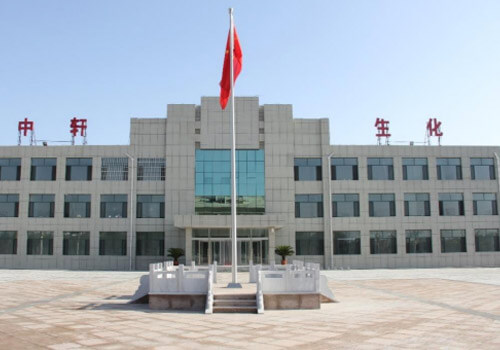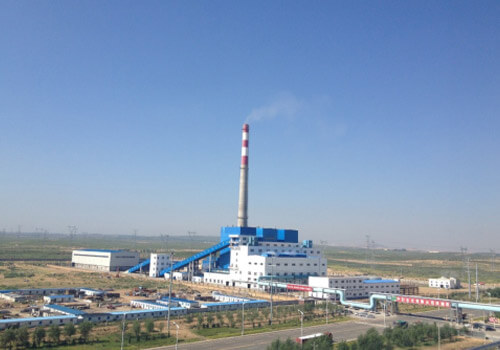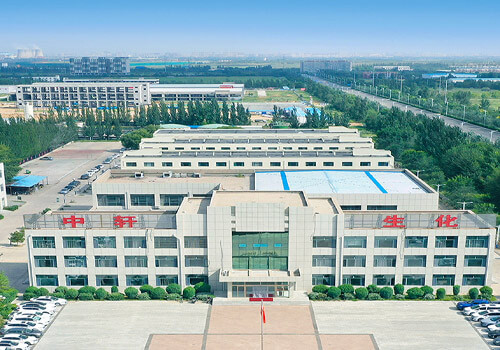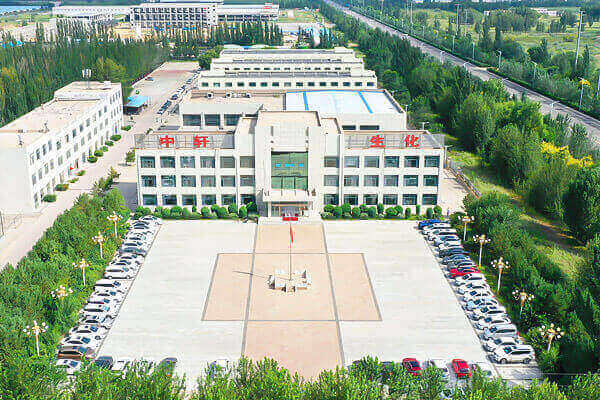
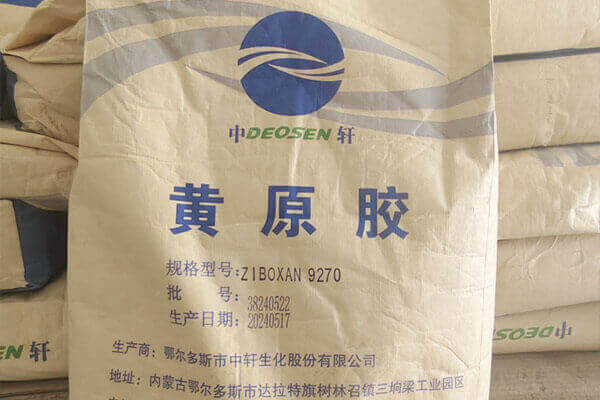
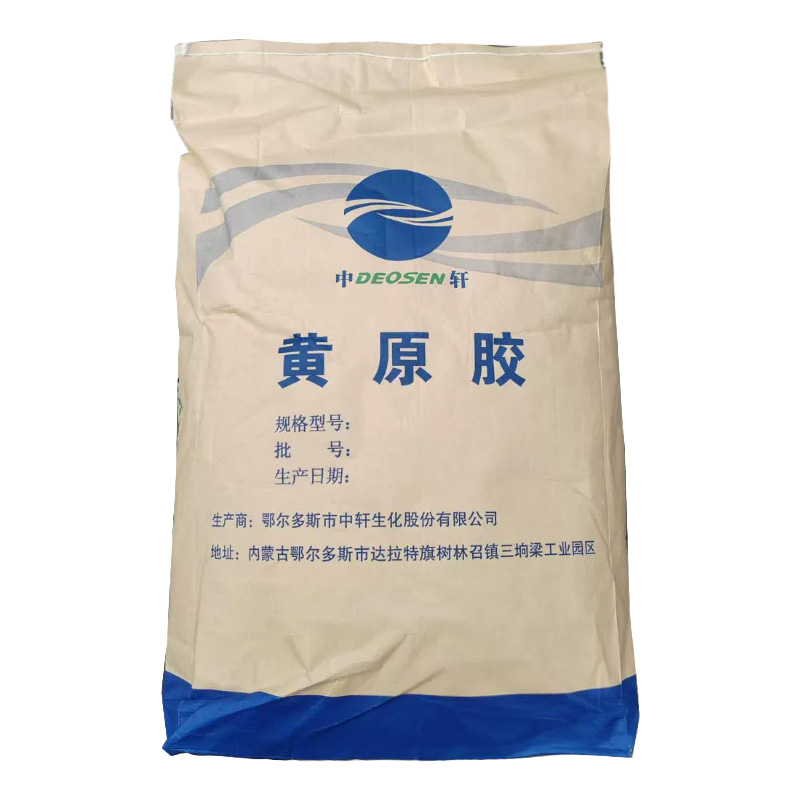
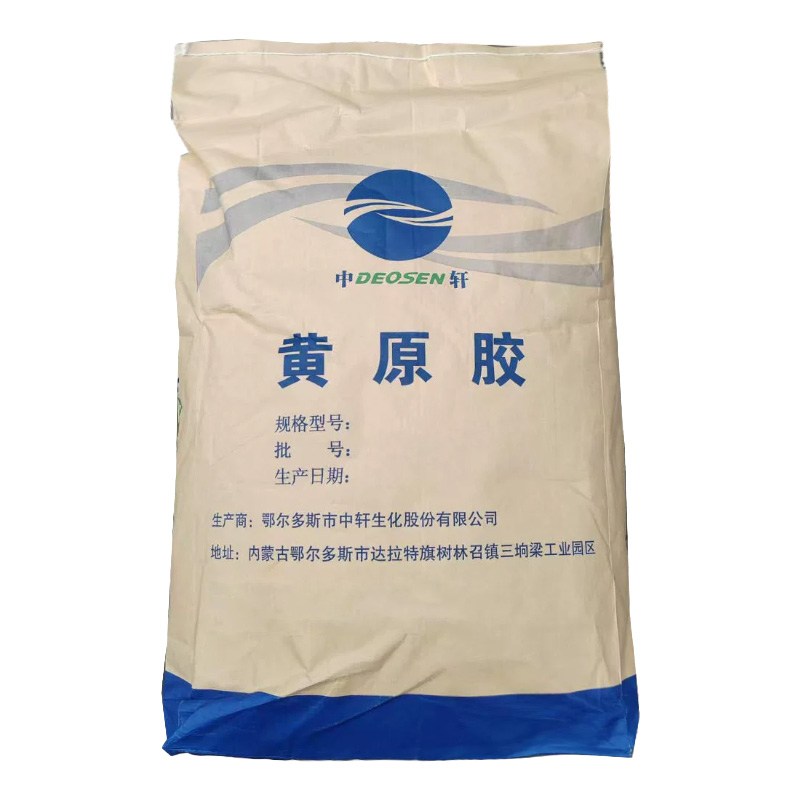
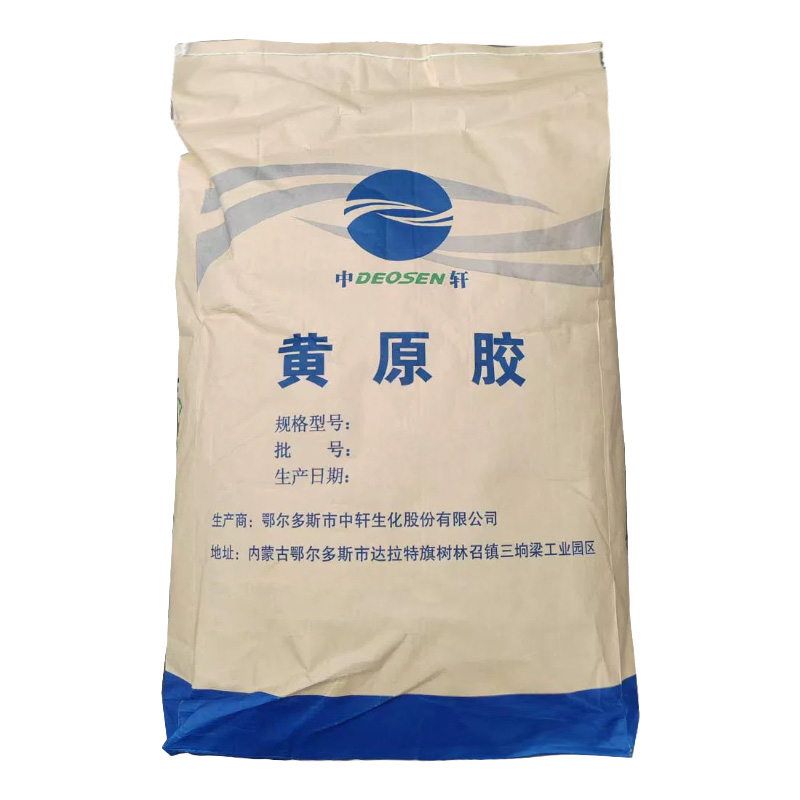
Running a chemical plant in the real world faces more than just raw material logistics and meeting quotas. At Deosen Biochemical (Ordos) Ltd, daily operation means standing up to strict environmental standards, changing market demands, and the unyielding pressure to keep technology current. Chemical production isn’t about theories; it is hands-on — machines make noise, pipes can clog, and powders behave differently depending on Ordos’s desert humidity. Staff bring in years of process know-how, keeping an eye on details that matter. Small variables like the texture of a batch or the subtle shift in fermentation odor tell us more than any lab report. Every ton of output holds the result of adjustments born from long shifts and real experience. Consistency does not come from automation alone; it comes from experienced workers making key decisions at the right moments. Inside the factory gate, accountability isn’t just paperwork and audits, but a code of daily behavior. Staff are expected to log operational anomalies, flag up odd results, and double-check each other’s readings. These habits grow from necessity, not from compliance checklists. Inspectors and customers come see the tanks and lines for themselves, so mistakes rarely hide for long. Over years, this has fostered honest reporting. We have seen scrapped batches and unplanned shutdowns cost more than any single person wants to explain — that memory drives a careful approach. Plant managers take pride in keeping everything visible, from fermentation time sheets to discharge water analyses. Not every day ends with a chart-topping yield, but every problem gets tracked, logged and its cause debated in noisy breakrooms. There are no shortcuts: the plant’s reputation depends on each person’s willingness to speak up and take ownership. Pollution risk follows any chemical operation, especially one as large as ours near the Ordos steppe. Regulatory fines or sanctions never sting as bad as the thought of a mishandled discharge impacting the fragile environment outside our walls. Locals know where every ditch empties; any change in water quality becomes topic of local talk by the next morning. We invest heavily in biological treatment systems to catch the trickiest residues. This pressure does not come from distant headlines, but direct community contact — our staff live five minutes down the road. It isn’t uncommon for a respected technician to pause a production run simply because a process upsets the water clarity. Our compliance teams respond fast because the stability of the local ecosystem underpins the trust we have with suppliers, buyers and neighbors alike. The real world brings real checks — new limits or public reports can force us to redesign processes and retrain crews every year. Quality control is not a department down the hall, but a set of benches stationed right near the fermenters and driers. Every sample comes with a name, a face, and a long memory of batches past. Sometimes a small shift in viscosity or instability on a rheology test sparks a review across multiple steps, from raw stock to final packaging. This attention allows us to spot problems well before a shipment leaves for customers, avoiding costly recalls. Our teams have learned to trust the details in an operator’s observation book as much as the chromatograms from sophisticated equipment. We build feedback loops across fabrication and lab work to fine-tune enzymes or tweak nutrient flows. It’s not only about hitting technical specs; it is about keeping our standards from slipping, batch after batch. That kind of reliability can only be sustained by people grounded in both classroom knowledge and direct, tangible experience with the process line. Market demands shift yearly, shaped by new industries, trade issues, and changes in downstream processing trends. Adjusting to these realities requires us to anticipate changes months in advance. Our technical teams constantly listen to feedback from major buyers who visit our plant, sharing issues they face in their own production lines. We respond by experimenting with different strains of xanthan fermentation or optimizing drying cycles to match customer-specific performance needs. For any meaningful difference in output, we often run side-by-side trials, sacrificing short-term productivity in exchange for insights into what makes one process beat another. The market speaks directly to the shop floor, influencing every scheduling decision and prompting us to retrain workers as soon as a new technical challenge arises. This is not a siloed activity — business leaders, engineers, and shift leads meet regularly over practical samples, tasting, feeling, and mixing results long before public trends settle. Technology shapes the future of chemical manufacturing. Investing in new fermenters, better controls, and smarter monitoring is critical, yet technology is nothing without operators who understand its quirks. Control systems improve output or allow tighter batch size management, but every change brings a learning curve and new kinds of problems — valve failures, integration glitches, sensor drifts. Our technicians remember the older engines and software alongside the new generations because understanding both lets them improvise under pressure. The most valuable insight does not always come from the datalogger; sometimes it’s the result of a watchful shift manager who notices an odd vibration or small leak before a sensor can. Blending the new with the old takes humility and experience, realizing that progress is built on foundations that never lose relevance. Building longevity into a chemical plant takes more than safety record statistics and output numbers. It depends on respect — for employees, customers, and the natural resources outside our gates. Many workers have spent decades in this plant, bringing consistency to both operation and community reputation. Young engineers and chemists often come from local technical schools, learning directly from veterans on the line. This connection means every choice we make is visible in the community: a hiring decision, a temporary layoff, an expansion plan. Over the years, we have found that open communication builds more trust than any marketing slogan. We frequently open the site to local visits, showing that nothing gets hidden from scrutiny. It doesn’t matter if prices swing or technology shifts — relationships built on honesty and practical care persist. If sustainability means anything, it is the everyday responsibility we hold toward those just outside our fence. CONTACT INFORMATIONWebsite:https://www.ziboxan-xanthangum.com/Phone:+8615371019725Email:sales7@alchemist-chem.com
Read More